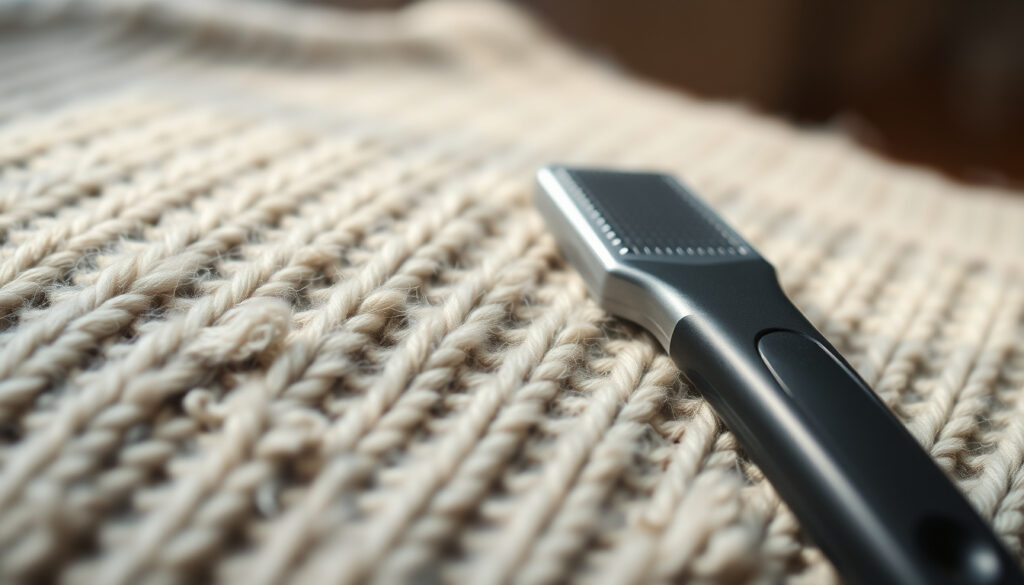
How to Remove Pilling from Clothes: Quick Methods & Prevention
Anyone who’s pulled a favorite sweater out of the wash only to find it covered in tiny, fuzzy balls knows the irritation. Pilling is a universal nuisance, but it doesn’t have to ruin your clothes.
Average removal time per garment: 5 minutes ·
Typical fabric shaver price range: $10 – $30 ·
Number of effective home remedies: 5 ·
Pilling occurrence on wool sweaters: Up to 80% within 10 washes
Quick snapshot
- Battery or electric (Gentleman’s Gazette)
- Safest for most fabrics (Whirlpool)
- Cost: $10 – $30 (Gentleman’s Gazette)
- Quick and cheap (Gentleman’s Gazette)
- Risk of cuts and fabric damage (Vogue)
- Best for flat surfaces (Gentleman’s Gazette)
- No tools required (Patagonia)
- Only for loose pills (Gentleman’s Gazette)
- Temporary fix (Gentleman’s Gazette)
- For large individual pills (Gentleman’s Gazette)
- Time-consuming (Vogue)
- Risk of snips (Gentleman’s Gazette)
Four common approaches, one clear pattern: electric fabric shavers offer the best balance of speed and safety, while manual tools work in a pinch but demand caution.
| Attribute | Value | Source |
|---|---|---|
| Definition | Pilling is the formation of small balls of tangled fibers on fabric surface. | Whirlpool |
| Primary cause | Friction from wear, washing, and drying. | Patagonia care guide |
| Most affected fabrics | Wool, synthetic blends, and low-twist yarns. | Patagonia |
| Best prevention | Wash inside out, use gentle cycle, air dry. | REI expert advice |
The implication: prevention is simpler than removal, and most pilling is avoidable with basic care changes.
What’s a quick way to remove pilling from clothes?
If you own more than one sweater, a $15 fabric shaver is the fastest, safest investment. Razors work but risk damage; tape and scissors are backups.
Using a fabric shaver
Electric fabric shavers earned the top professional score in a Gentleman’s Gazette fabric care guide comparison: 10/10 for both efficiency and safety. Whirlpool calls them “the fastest way to remove pilling from clothes.” To use one, lay the garment flat, stretch the fabric taut, and glide the shaver over the pilled area in gentle circular motions.
For anyone who de-pills more than one garment a month, a $15 fabric shaver saves hours over scissors or tape — and won’t accidentally snip a hole in your favorite cashmere.
Using a disposable razor
A manual razor scores 8/10 for effectiveness but carries a high risk of fabric damage, according to the same Gentleman’s Gazette ranking. Vogue notes that a disposable razor “can be used to gently shave or trim off the random fabric pill,” but warns against pressing too hard. Work on a flat surface, use short strokes, and never razor delicate knits like merino or cashmere.
Using sticky tape or lint roller
Patagonia’s care guide suggests a lint roller as “a quick and easy way to remove loose pills from fabric.” The catch? Gentleman’s Gazette rates lint rollers 2/10 overall because they only grab surface fuzz, not embedded pills. Use one for quick touch-ups between proper de-pilling sessions.
Using scissors carefully
Scissors and tweezers score 3/10 for efficiency, per the Gentleman’s Gazette rating, and are best reserved for “surgical spot-fixes” on large, isolated pills. Snip the pill at its base without cutting the surrounding yarn — a steady hand is non-negotiable.
Bottom line: For most clothes, an electric fabric shaver is the fastest and safest choice. Razors work in a bind but demand discipline. Tape and scissors are backup options for light or stubborn pills.
Does pilling mean bad quality?
Pilling is not a universal sign of poor quality. A loosely twisted $200 sweater can pill as fast as a $20 one.
Not necessarily. Patagonia explains that synthetic fibers like polyester and acrylic are “more prone to pilling than natural fibers like cotton and wool due to stronger, persistent pills.” Short fibers (common in lower-twist yarns) loosen and tangle more easily. But even high-end merino wool can pill under heavy friction — especially in the armpits or along seams.
What this means: Pilling is a function of construction and wear, not a universal quality marker. A $200 sweater can pill as fast as a $20 one if the yarn is loosely twisted.
Is it okay to remove pilling?
Yes — properly removing pills restores appearance and comfort. Aggressive methods, however, can thin fabric and create holes.
Yes — removing pills improves both appearance and comfort. But the method matters. Gentleman’s Gazette warns that sandpaper “scores 1/10 and should be avoided due to very low safety and risk of fabric damage.” Similarly, aggressive razor use can thin the fabric and create permanent holes. Delicate knits (cashmere, angora) respond better to a fabric comb, which Patagonia recommends as safer than shavers for those materials.
The trade-off: Remove pilling carefully and your garment looks new. Rush or use the wrong tool and you risk irreversible damage.
Is pilling reversible?
You can’t rebond fibers, but you can remove pills and restore a smooth appearance. Prevention then becomes key to keeping it that way.
Strictly speaking, pilling can’t be “reversed” — the fiber bonds are broken, not rebonded. But visible pills can be removed, and the fabric can look smooth again. Whirlpool notes that cellulase enzymes in certain detergents “can loosen and remove pills during gentle cold water cycles” — a chemical assistance that helps maintain the finish. After removal, prevention becomes the priority.
Why this matters: You can restore a pilled sweater to near-new appearance, but only if you stop the friction that caused it in the first place.
For a deeper dive into the numbers, you can explore Aston Villa vs Tottenham stats. Aston Villa vs Tottenham stats
What causes fabric pilling?
Friction + short fibers + moisture = pilling. Change any one variable and you reduce the outcome.
Three main factors, per Patagonia and Whirlpool:
- Friction — from wearing (backpack straps, seat belts) and washing (agitation against other fabrics).
- Washing and drying — hot water and high heat accelerate fiber loosening. Patagonia advises turning fleece garments inside out and washing on gentle cycle.
- Fabric composition — synthetic blends (polyester, acrylic) produce stronger, more persistent pills. Low-twist yarns shed fibers more readily.
The pattern: Friction + short fibers + moisture = pilling. Change any one variable and you reduce the outcome.
What we know and what remains unclear
Confirmed facts
- Pilling can be removed using fabric shavers, razors, or sticky tape (Gentleman’s Gazette, Patagonia).
- Friction causes pilling (Whirlpool).
- Prevention (washing inside out, gentle cycle, air dry) reduces pilling occurrence (REI).
What’s unclear
- Whether pilling always indicates low fabric quality — evidence points to multiple variables (Patagonia).
- Effectiveness of home remedies like vinegar on pilling — no reliable source has tested this.
Expert perspectives
“Using a lint roller can be a quick and easy way to remove loose pills from fabric.”
— Patagonia Care Guide
“Prevent pilling by washing clothes inside out on a gentle cycle.”
— REI Expert Advice
“A disposable razor and even regular scissors can be used to gently shave or trim off the random fabric pill.”
— Vogue
Pilling will keep happening as long as friction exists between fabric and daily life. For the average buyer, the choice is clear: invest 5 minutes with a fabric shaver after every few wears, adjust your laundry routine to inside-out and cold water, and your clothes will look fresh far longer than the label predicts. The alternative — accepting the fuzz — is a subtle but constant downgrade to every outfit.
Frequently asked questions
Can pilling be removed from all fabrics?
Yes, but delicate fabrics like cashmere need gentler tools (fabric comb or stone) to avoid damage (Patagonia).
Will a fabric shaver damage delicate fabrics?
Only if used aggressively. On low setting and with a taut, flat surface, modern fabric shavers are safe for most knits (Gentleman’s Gazette).
How to remove pilling from clothes without any tools?
Sticky tape or a lint roller can lift loose pills. For more stubborn pills, a pumice stone (sweater stone) works with gentle sweeps (Gentleman’s Gazette).
Does pilling return after removal?
Yes, unless the underlying friction is reduced. Prevention (washing inside out, gentle cycle) delays regrowth (REI).
How often should I remove pilling from my sweaters?
After every 3–5 wears, or as soon as pills are visible. Regular maintenance keeps fabric looking new (Whirlpool).
Can I use a razor on cashmere or merino wool?
Not recommended — the blade can cut delicate fibers. A fabric comb or electric shaver with a gentle guard is safer (Patagonia).
What is the best way to prevent pilling after removal?
Turn clothes inside out, wash on gentle/cold, air dry, and avoid washing synthetics with lint-heavy fabrics like towels (Patagonia).
Related reading
- How to Edit PDF File – Free Methods That Work — another practical how-to guide for everyday fixes.
- What Is ABS Material – Properties, Uses, Pros, Cons and Guide — a material-focused guide that shares the same instructional format.
More related posts
 7 Seater SUV Singapore 2026: Prices & Best Picks
 Gusta Sourdough Pizza Menu: Prices and Health Tips
 Lox Bagel Near Me: Cost, Health Facts & Where to Find It
 Sri Lanka vs Zimbabwe Cricket Scores, Fixtures & Results
 Jabra Elite 8 Active: Specs, Review & Discontinuation Update
 Singapore to Paris Flight Time: Duration, Airlines & Service
 What to Do in London: Top Attractions, Free Places & Budget Tips
 Tsao Hsi-ping: Taiwanese Veteran Dies Suddenly at 66
