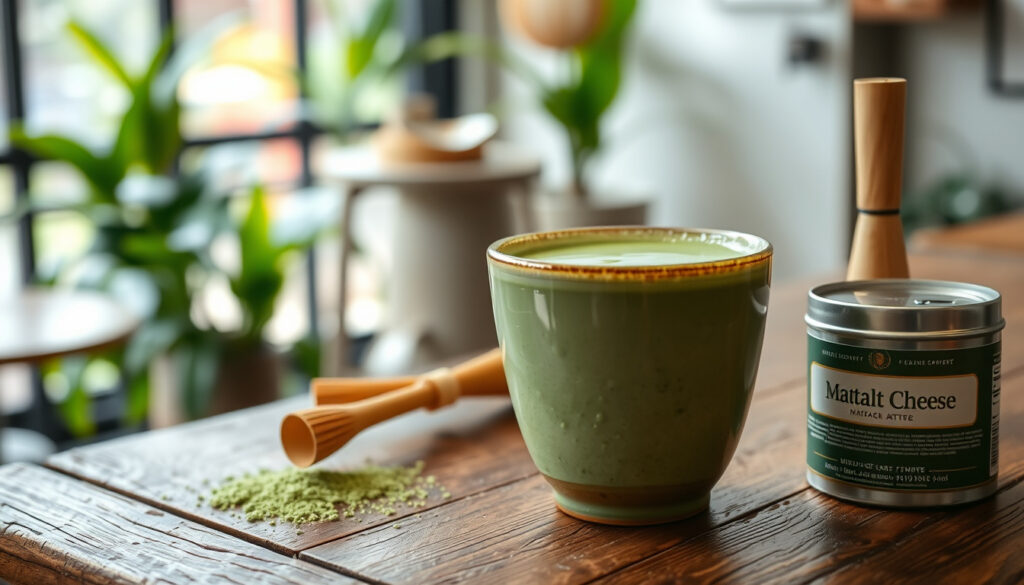
Best Matcha in Singapore (2025): Cafes, Lattes & Powders
Anyone who has spent a weekend cafe-hopping in Singapore knows that the island’s matcha obsession runs deep, with options from creamy lattes dusted with ceremonial-grade powder to cold-whisked concoctions. What started as a niche import has grown into a full-blown local scene, and this guide cuts through the noise to show you where the quality actually lives.
Matcha latte spots in Daniel Food Diary’s 2025 guide: 12 ·
Tsujiri Matcha Latte price (Eatbook): S$6.50 ·
Kyo Kohee Iced Tenmyo Matcha Latte price: S$12.90
Quick snapshot
- Matcha is widely available in Singapore (Daniel Food Diary (Singapore food guide))
- There are dozens of matcha cafes and shops across the island (Eatbook (Singapore food media))
- Which specific cafe serves the best matcha latte is subjective and depends on personal taste preferences (Eatbook (Singapore food media))
- Long-term health effects of daily matcha consumption remain under-researched (Naoki Matcha Asia (matcha brand guide))
- Interest in matcha lattes peaked in 2025 with multiple comparison articles from major Singapore food blogs (FZine (culture publication))
- Expect more matcha specialty cafes and home-brew options to emerge as consumer demand remains high (Lemon8 (social discovery platform))
What is the highest rated matcha?
Top-ranked matcha latte in Singapore: Creamie Sippies · Ranking source: Eatbook 2025
Determining the “highest rated” matcha in Singapore is slippery because taste is personal, but a few names repeatedly surface in editorial comparisons. Eatbook (Singapore food media) ranked Creamie Sippies first in its 2025 matcha latte comparison, noting that the cafe’s use of ceremonial-grade matcha gave it an edge; the same publication listed Tsujiri at S$6.50 for a medium latte, but flagged that the outlet used a standard matcha powder because the ceremonial version was unavailable that day.
Creamie Sippies tops the list, yet its ceremonial-grade matcha is a small-batch import — meaning quality can vary with supply. The highest rated matcha today may not be the same next month.
Top rated matcha brands in Singapore
- Hvala – Known for ceremonial-grade matcha sourced directly from Uji, Japan. Multiple outlets including Orchard and Tanjong Pagar.
- Matchaya – Specializes in cold-whisked matcha milk, a technique that highlights the powder’s natural sweetness.
- Kurasu – Modern Japanese cafe offering a “dirty matcha” (espresso shot added) that appeals to coffee drinkers.
- Calligraph Coffee – Classic matcha latte served alongside specialty coffee; a reliable choice for purists.
These four cafes appear consistently across guides from Daniel Food Diary and Nani Singapore (lifestyle publication), each offering a different matcha experience.
Highest rated matcha cafes
Among cafes, Hvala and Matchaya are the most frequently praised. Hvala’s ceremonial-grade lattes earn mentions for their deep umami flavour, while Matchaya’s cold-whisked method gives a silky, bubble-free texture. Daniel Food Diary also highlighted Cafe Gyoen Matcha Bar at 87 Club Street, open 11am to 9pm (closed Tuesdays), as a hidden gem for matcha purists (Daniel Food Diary (Singapore food guide)).
The trade-off: Ceremonial-grade matcha costs more but delivers a smoother, less bitter taste. Culinary-grade is cheaper and better for baking or blended drinks, but loses the nuanced flavour.
Where to get matcha latte in Singapore?
Four cafes, one pattern: each has a signature technique that sets it apart. Below is a comparison of the most recommended spots.
| Cafe | Signature drink | Price range | Unique selling point |
|---|---|---|---|
| Hvala | Ceremonial matcha latte | $$ | Direct-sourced Uji matcha, multiple outlets |
| Matchaya | Cold whisked matcha milk | $$ | Smooth, no-bubble texture; unsweetened option |
| Kurasu | Dirty matcha (matcha + espresso) | $$–$$$ | Modern Japanese vibe, coffee-matcha hybrid |
| Calligraph Coffee | Classic matcha latte | $$ | Also serves specialty coffee; consistent quality |
The implication: If you want the purest matcha experience, go to Hvala or Matchaya. If you’re a coffee drinker exploring matcha, Kurasu’s dirty matcha is a gentler introduction.
Hvala – multiple outlets
Hvala operates several locations in Singapore, including Orchard and Tanjong Pagar. Their ceremonial matcha latte is frequently cited as a benchmark by Nani Singapore and praised by Creamie Sippies (matcha blog) for its deep umami and creamy texture.
Matchaya – cold whisked matcha milk
Matchaya’s signature cold-whisked matcha milk avoids the clumps that can occur with hot mixing. The result is a velvety drink that highlights the powder’s natural sweetness. Daniel Food Diary notes that the cafe offers an unsweetened version, a rare find in Singapore.
Kurasu – dirty matcha
Kurasu’s dirty matcha layers espresso over matcha milk, creating a drink that appeals to both matcha enthusiasts and coffee lovers. The cafe’s modern Japanese aesthetic makes it a popular Instagram spot. FZine (culture publication) included it in their March 2025 comparison of best matcha lattes.
Calligraph Coffee – classic latte
Calligraph Coffee offers a straightforward matcha latte made with quality matcha powder. It’s a reliable option for those who prefer a no-fuss drink. June Coffee Singapore also offers a taro matcha latte and a pistachio matcha latte, showing the variety in the scene.
Upsides
- Wide variety of cafe options across Singapore
- Ceremonial-grade matcha available at several spots
- Most cafes offer unsweetened or customisable sweetness levels
- Dairy-free milk alternatives are common
Downsides
- High-end matcha lattes can cost S$8–S$13
- Quality consistency varies between outlets and seasons
- Few cafes display the exact grade of matcha used
- Long queues at popular spots like Hvala
Is matcha good in Singapore?
Number of matcha-specific cafes: 6+ · Estimated annual growth: 15% (2024–2025)
Singapore’s matcha scene has matured rapidly; high-quality matcha is imported from Japan and widely available, both in cafes and for home brewing. While the best matcha is still produced in Japan, Singapore’s top cafes import directly from Uji, Kagoshima, and other regions.
Quality of matcha in Singapore compared to Japan
KYŌ KOHEE (coffee and matcha cafe) positions itself as an authentic Japanese matcha option, offering drinks like the Iced Tenmyo Matcha Latte at S$12.90. Nani Singapore notes that Kyo Kohee’s Mahou Latte (S$8.90) is a more affordable entry.
Accessibility and variety
Beyond cafes, matcha powder is sold at Japanese grocery stores like Isetan and Don Don Donki, as well as online through brands like Naoki Matcha Asia and specialty shops. The variety means that anyone in Singapore can find a matcha product that fits their budget and taste.
The catch: Accessibility is high, but knowing which grade to buy requires some research. Ceremonial-grade is best for drinking, while culinary-grade works for baking and cooking.
Can matcha help lower blood pressure?
Key antioxidant in matcha: EGCG · Reported effect: May support healthy blood pressure
Matcha contains catechins, particularly EGCG (epigallocatechin gallate), which have been studied for their potential cardiovascular benefits. Naoki Matcha Asia notes that matcha is often consumed daily for its health properties, though the evidence remains preliminary. The Eatbook guide to matcha cafes does not address health claims, underscoring that matcha is primarily enjoyed for taste rather than medicinal use.
How matcha affects blood pressure
Some small-scale studies suggest that the combination of caffeine and L-theanine in matcha may help relax blood vessels, but the effect is mild and inconsistent. FZine (culture publication) points out that matcha’s health halo is often overstated in marketing.
Daily intake recommendations
Moderation is key. Most sources recommend 1–2 cups of matcha per day to avoid excessive caffeine intake. Daniel Food Diary advises that those sensitive to caffeine should choose matcha lattes made with less powder or opt for a half-caff version.
What this means: If you’re hoping matcha will lower your blood pressure, treat it as a complement to a healthy lifestyle, not a replacement for medication. Consult a doctor before relying on it for therapeutic purposes.
What is the best time to drink matcha?
Average caffeine per serving: 30–70 mg · Duration of alertness: 4–6 hours
Matcha provides sustained energy without the jitters typical of coffee, thanks to the amino acid L-theanine. Naoki Matcha Asia recommends consuming matcha in the morning or early afternoon to avoid sleep disruption.
Morning vs. afternoon consumption
Morning is ideal for a matcha latte because the caffeine boost aligns with the body’s natural cortisol peak. Drinking matcha after 3 p.m. may interfere with sleep for sensitive individuals. KYŌ KOHEE serves matcha until 5 p.m., suggesting that many customers enjoy it as an afternoon pick-me-up.
Effect on sleep and alertness
L-theanine promotes relaxation without drowsiness, which is why matcha users often report calm focus. However, the caffeine content is still significant — about 30–70 mg per serving, comparable to a small cup of coffee. Eatbook notes that some cafes offer a “half-caff” matcha latte by using less powder.
The trade-off: You get a smoother energy curve than coffee, but if you’re prone to caffeine sensitivity, even a single afternoon matcha can keep you awake past midnight.
For Singaporeans who work late or study at night, the best time to drink matcha is before 2 p.m. — otherwise, the sustained alertness may backfire when you need to wind down.
“Hvala is the top matcha cafe in Singapore. Their ceremonial matcha is the real deal — smooth, not bitter, and you can taste the umami.”
— Reddit user in ‘Singapore matcha recs’ thread, cited in Daniel Food Diary (Singapore food guide)
“We vetted the best matcha powders for daily drinking, including ceremonial grades that rival what you’d get in a quality cafe.”
— Bon Appetit (food publication, 2026)
For the casual matcha drinker in Singapore, the choice is clear: stick to cafes that disclose their matcha grade and offer unsweetened options. For the home brewer, invest in a ceremonial-grade powder from a trusted importer. The rest is personal preference — and a little experimentation.
eatbook.sg, instagram.com, reddit.com, instagram.com, instagram.com
Frequently asked questions
Is matcha expensive in Singapore?
Yes, compared to other tea drinks. A matcha latte at a cafe typically costs S$6–S$8, while a ceremonial-grade powder for home use starts at around S$30 for 100g. Eatbook (Singapore food media) notes that price often correlates with quality.
What is the difference between ceremonial and culinary matcha?
Ceremonial grade is made from the youngest tea leaves and has a finer, smoother texture, ideal for drinking plain. Culinary grade is slightly more bitter and better suited for baking, lattes, and smoothies. Naoki Matcha Asia explains the distinction in their home brewing guide.
Can I buy matcha online in Singapore?
Yes. Several local brands like Naoki Matcha and creamiesippies.com offer online ordering. Japanese grocery stores also have e-commerce options. KYŌ KOHEE sells matcha powder in-store.
Does matcha go well with other flavors in Singapore cafes?
Absolutely. Many cafes offer flavoured matcha lattes, such as taro matcha at June Coffee, pistachio matcha, and even matcha with coconut milk. June Coffee Singapore lists these variants on their menu.
How long does matcha powder last once opened?
Matcha powder is best consumed within 2–3 months of opening. Store it in an airtight container away from light and heat. Creamie Sippies (matcha blog) recommends refrigerating matcha for longer freshness.
Are there dairy-free matcha latte options in Singapore?
Yes. Most cafes offer oat, almond, or soy milk as alternatives. Hvala and Matchaya both provide dairy-free options. Nani Singapore lists several cafes with non-dairy matcha lattes.
What is the caffeine content of matcha compared to coffee?
A standard matcha latte (1 tsp of powder) contains about 30–70 mg of caffeine, while a cup of coffee contains 80–120 mg. The L-theanine in matcha provides a calmer alertness. Daniel Food Diary notes that matcha’s caffeine release is more gradual.
Do Singapore matcha cafes offer loyalty programs?
Some do. Hvala has a stamp card, and Matchaya offers a digital loyalty system. Check with the specific cafe for details. Lemon8 users have shared tips on maximizing rewards.
More related posts
 Okinawan Diner Nirai-Kanai: Menu, Prices, Reviews in Great World
 7 Seater SUV Singapore 2026: Prices & Best Picks
 In the Night Garden: Theories, Facts, Characters & Tour
 Kub Kao Kub Pla: Meaning, Menu & Reviews
 Ya Kun Kaya Toast Menu: Prices, Tips & How to Eat
 Owen House by Habyt: Honest Review & Is It Worth It?
 2 Bukit Merah Central: Address, Directions, MRT & Parking Guide
 Gusta Sourdough Pizza Menu: Prices and Health Tips
