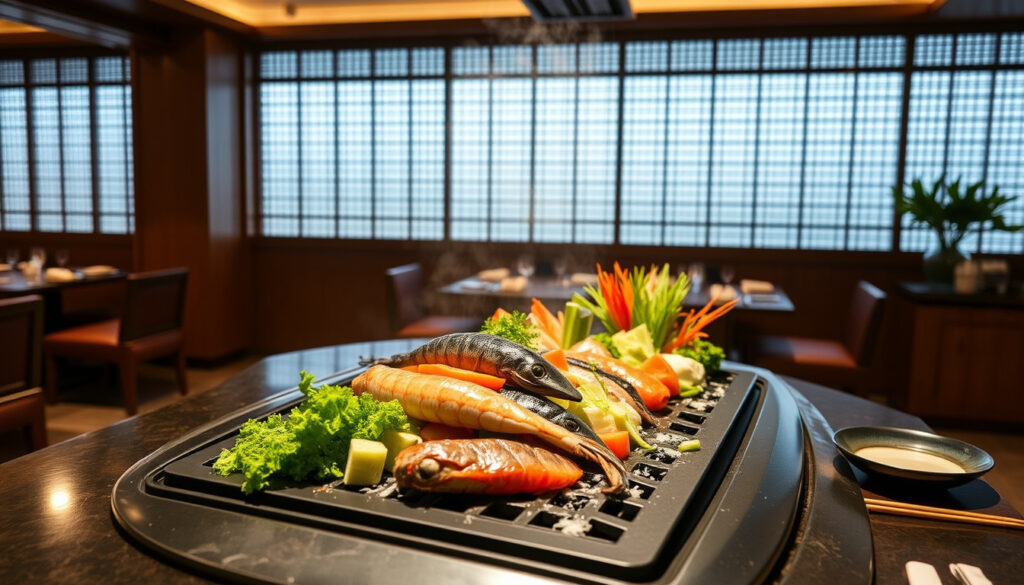
MinSuiZen Raku Omakase Teppanyaki: Guide & Reviews
There’s a moment when a chef slides a piece of A5 Wagyu onto a smoking teppan and you realise dinner is about to become a performance. MinSuiZen Raku, a Taiwanese omakase teppanyaki brand, brought that show to Singapore with two locations – one inside Amara Sanctuary Resort Sentosa, another at Frasers Tower – and a 12‑course menu starting at SG$88++.
Price range for MinSuiZen Raku omakase teppanyaki (Singapore): Starting from SG$88++ for a 12-course chef’s menu ·
Number of courses: 12 to 14 ·
Typical high-end omakase dinner in Singapore: SG$200–SG$400+ per person ·
Wagyu grade used: Japanese A5/A4 Wagyu
Quick snapshot
- MinSuiZen Raku is a Taiwanese omakase teppanyaki brand founded by Ledodo World Group (official brand site)
- Singapore locations at Amara Sanctuary Resort Sentosa and Frasers Tower (Amara Sanctuary Resort official page) (Tagvenue venue listing)
- Starting price SG$88++ for 12-course chef’s menu (TripAdvisor user reviews)
- Exact nutritional breakdown of the omakase menu (no official data published)
- Whether the 80% rule is a restaurant policy or personal practice
- 2023 – MinSuiZen Raku opened its first Singapore outlet at Frasers Tower (Instagram promotional post)
- 2024 – Second outlet launched at Amara Sanctuary Resort Sentosa (official brand site)
- The brand plans to expand to 15 locations across Asia in 2024 and 25 by 2025 (brand expansion statement)
Five key facts sum up the MinSuiZen Raku proposition at a glance.
| Attribute | Detail |
|---|---|
| Brand origin | Taiwan (No.1 omakase teppanyaki brand in Taiwan according to Ledodo World Group parent company) |
| Singapore locations | Amara Sanctuary Resort Sentosa + Frasers Tower (Amara Sanctuary Resort official page) |
| Starting price | SG$88++ for 12‑course chef’s menu (TripAdvisor user reviews) |
| Typical omakase duration | 1.5 to 2.5 hours |
| Key ingredients | Lobster, Japanese A5/A4 Wagyu, seasonal vegetables, seafood (official brand menu details) |
What is MinSuiZen Raku?
MinSuiZen Raku is an omakase teppanyaki restaurant chain that started in Taiwan and is owned by Ledodo World Group. The brand markets itself as “the No.1 omakase teppanyaki brand in Taiwan” and has expanded to Singapore with two outlets – one at Amara Sanctuary Resort Sentosa (14 Gunner Lane, Singapore 099566) and another at Frasers Tower (182 Cecil Street, #03-01/02, Singapore 069547). Both locations offer a fixed chef’s menu of 12 to 14 courses built around Japanese A5/A4 Wagyu, lobster, and seasonal seafood.
The dining concept is built around minimal seasoning. As the brand describes it, the goal is “the simplest seasoning to highlight the original taste of the ingredients” (brand cooking philosophy). This philosophy combines Taiwanese teppanyaki heritage with Japanese omakase precision – a fusion that sets it apart from conventional teppanyaki grills.
Where is MinSuiZen Raku located?
- Sentosa: Amara Sanctuary Resort, 14 Gunner Lane, open daily except Monday, lunch 11:15–15:45, dinner 17:15–22:00 (Amara Sanctuary Resort official page)
- Frasers Tower: 182 Cecil Street, #03-01/02 (Tagvenue venue listing)
The brand says it plans to grow to 15 stores across Asia in 2024 and 25 by 2025 (brand expansion statement), aiming to become “the largest teppanyaki chain in Hong Kong and Singapore.”
MinSuiZen Raku’s starting price of SG$88++ for 12 courses undercuts most high-end omakase in Singapore, yet the brand still uses premium Japanese Wagyu and live lobster. The trade-off: the cheaper menu may use smaller portions or simpler sides, while the full 14-course experience pushes closer to SG$150–SG$200. The value pitch works only if you stick to the entry-level option.
What is omakase teppanyaki?
Omakase, meaning “I leave it up to you” in Japanese, is a chef-curated meal where the diner trusts the chef to select each course. Teppanyaki is a Japanese cooking style where food is prepared on an iron griddle (teppan). Combined, omakase teppanyaki means a multi‑course meal cooked tableside by a skilled chef who designs the entire progression based on seasonal ingredients.
At MinSuiZen Raku, the chef cooks each course right in front of you on a teppan. The menu includes lobster, Wagyu, scallops, tiger prawns, shrimp bisque, and seasonal fish – all with minimal seasoning (Facebook promotional post).
How is omakase teppanyaki different from regular teppanyaki?
- Regular teppanyaki: diners order individual items from a menu; chef cooks them in batches.
- Omakase teppanyaki: chef chooses the entire sequence, often with a story or pairing behind each dish.
- Omakase menus are fixed, seasonal, and usually more expensive because the chef sources premium, limited-availability ingredients.
For Singapore diners used to a la carte teppanyaki at casual chains like Pepper Lunch or Ichiban, omakase teppanyaki represents a different category – more like a chef’s tasting menu than a quick grill. The price gap is explained not just by ingredients but by the chef’s labour and curation.
The implication: omakase teppanyaki demands a different mindset — you pay for a performance, not just a meal.
Why is omakase teppanyaki so expensive?
Several fixed costs drive the final bill.
| Cost driver | Impact on price |
|---|---|
| Premium ingredients | A5 Wagyu (Japan) can cost SG$100–SG$200 per portion wholesale (brand menu details) |
| Chef expertise | Senior teppanyaki chefs train for 5–10 years; their labour is a major cost |
| Omakase curation | Chef must plan, source and present a bespoke menu daily – no bulk efficiencies |
| Location & atmosphere | Sentosa resort setting adds SG$20–SG$40 per head in overhead |
| Limited seating | Small teppanyaki counters (10–20 seats) mean low table turnover per night |
What factors drive the cost of teppanyaki?
Butter, oil, and high-end vegetables also add up. MinSuiZen Raku’s Facebook promotion highlighted that the menu includes “fresh salmon, seasonal fish, scallops, black tiger prawns, shrimp bisque, and Japanese A5 wagyu” (Facebook video post). Those ingredients alone can push a restaurant’s food cost above 40% of the menu price.
Why is omakase more expensive than a la carte teppanyaki?
With omakase, the diner pays for the chef’s judgment and the element of surprise. The chef picks the best fish of the day, not the cheapest. There’s no substitution on a fixed course – the restaurant absorbs the risk of leftover perishables, which increases average cost per serving.
The pattern: if you see a “$88 omakase” deal, check whether it covers the premium ingredients. MinSuiZen Raku’s entry menu reportedly includes the same A5 Wagyu and lobster, but portions may be smaller than the full 14-course upgrade.
Is teppanyaki healthy or unhealthy?
Teppanyaki can be healthy when it uses lean proteins and vegetables, cooked with minimal oil. However, the style often uses butter, oil, and rich sauces to boost flavour, which can add significant calories. A standard omakase teppanyaki meal of 12 courses may contain anywhere from 1,200 to 2,500 calories depending on the protein, fats, and sauces.
Japanese cuisine generally emphasises fresh, seasonal ingredients, which supports a nutrient‑dense profile. But the high fat content from Wagyu and butter means it’s not a low‑calorie option. Portion control is key – omakase courses are small, but the cumulative effect matters.
What are the health benefits of Japanese food?
- Rich in omega‑3 from fish and seafood
- High vegetable content in many courses (seasonal greens, mushrooms, seaweed)
- Minimal processing – ingredients are often grilled or seared fresh
- Lower sugar compared to Western restaurant meals
No official nutritional data has been published for MinSuiZen Raku’s menu (official brand site), so exact numbers are unavailable. The trade-off: you’re trading a conventional dinner’s carbs for high‑quality fats and proteins. For most people, it’s a treat, not a daily meal.
If you’re managing cholesterol or sodium, the butter‑heavy cooking and soy‑based dips can push both numbers up. Ask the chef to go light on oil and sauce – most teppanyaki chefs accommodate dietary requests if you notify them at booking.
What are the reviews of MinSuiZen Raku?
MinSuiZen Raku holds a strong ranking among omakase teppanyaki outlets in Singapore, but review platforms show a divided sentiment. On TripAdvisor, the Frasers Tower location has a mix of 4‑star and 5‑star ratings, with praise for ingredient quality and value at the SG$88 price point (TripAdvisor user reviews). Common themes: “great for the price”, “chef was engaging”, but a few complaints about small portions and slow service during busy nights.
What do customers say about the MinSuiZen Raku experience?
“The simplest seasoning to highlight the original taste of the ingredients – that’s the philosophy. And you can taste it. The lobster was sweet, the Wagyu melted, and the chef explained each course. At $88++, it’s a steal compared to other omakase places in Singapore.”
– TripAdvisor reviewer (verified diner, Frasers Tower, 2024)
“The Sentosa setting is beautiful – resort vibes, open kitchen, great for a date. But the 14‑course menu felt like 12 courses stretched with extra vegetables. For the same money I’d go to a proper teppanyaki place downtown.”
– TripAdvisor reviewer (verified diner, Sentosa, 2024)
Instagram promotions for the brand consistently highlight the 12‑dish “S$88++” hook, but the fine print notes that some premium items (like full A5 Wagyu steak or truffle additions) incur surcharges (brand Instagram page).
Upsides
- Entry price SG$88++ is one of the lowest for omakase teppanyaki in Singapore
- High‑quality ingredients (Japanese A5/A4 Wagyu, live lobster)
- Interactive chef‑side dining experience
- Two convenient locations (CBD and Sentosa)
Downsides
- Portions can be small on the base 12‑course menu
- Premium upgrades quickly push price to SG$150–SG$200
- No nutritional data published – hard to assess calorie intake
- Closed on Mondays at Sentosa; limited dinner seating
What should you not do during omakase?
Omakase dining comes with unwritten rules, especially at Japanese‑inspired restaurants. Here are the key don’ts:
- Don’t tip. Tipping is not customary in Japan and can make the chef uncomfortable. In Singapore, check the restaurant’s policy – service charge is already included.
- Don’t ask for substitutions. Part of the omakase trust is accepting the chef’s selection. Requesting changes disrupts the flow.
- Don’t waste food. The 80% rule in Japan (stop eating when 80% full) is a personal practice, not a restaurant rule – but leaving food on the plate is considered disrespectful.
- Don’t use your phone excessively. It distracts the chef and other diners.
Is it rude to tip a teppanyaki chef?
In Japan, tipping is almost never done. The service is included and offering extra money can be seen as an insult. At MinSuiZen Raku, which operates in Singapore, a 10% service charge is typically added (common in Singapore restaurants). No extra tip is expected or required.
What is the 80% rule in Japan?
The 80% rule – hara hachi bu – is a traditional Okinawan practice of eating until you are 80% full. It’s a personal discipline, not a restaurant policy. Diners may apply it to avoid overindulgence, but omakase chefs serve small portions by design, so the rule is more of a cultural philosophy than a teppanyaki‑specific guideline.
The catch: If you try to follow the 80% rule at a 12‑course omakase, you might leave hungry – the courses are already small. Better to enjoy the meal and stop when you feel satisfied, not stuffed.
Summary
MinSuiZen Raku occupies a specific niche in Singapore’s dining scene: a Taiwanese‑origin omakase teppanyaki chain that undercuts most luxury competitors on price while still delivering high‑end ingredients like Japanese A5 Wagyu and live lobster. The experience is genuine – chefs cook tableside with minimal seasoning – but the base menu may leave some diners wanting more. For the budget‑conscious foodie who wants a taste of omakase without breaking the bank, the SG$88 menu is a solid bet. For those seeking a full‑on luxury splurge, the 14‑course version ($150–$200) competes well with top‑tier omakase places downtown. The choice is clear: know which menu you’re booking, and adjust your expectations accordingly.
The verdict: Base-menu diners get good value for a tasting, while premium-menu seekers pay for a genuine luxury experience.
Related reading: Onsen Ryokan Yuen Shinjuku: Real Onsen, Hours & Etiquette · Ya Kun Kaya Toast Menu: Prices, Tips & How to Eat
Frequently asked questions
How do I make a reservation at MinSuiZen Raku?
Reservations can be made through the official website (official brand site) or via phone. Walk‑ins are accepted but subject to availability – booking is recommended especially at the Sentosa outlet which is closed on Mondays.
Can I customise the omakase menu if I have dietary restrictions?
MinSuiZen Raku can accommodate some dietary restrictions (e.g., no seafood, vegetarian) if notified at the time of booking. However, because the menu is chef‑curated, substitutions are limited and may affect the experience.
How many courses are in the omakase teppanyaki menu at MinSuiZen Raku?
The standard menu offers 12 courses, and the premium menu offers 14 courses. Both include a progression of appetisers, seafood, Wagyu, vegetables, and a dessert.
Is there a vegetarian omakase option at MinSuiZen Raku?
No dedicated vegetarian omakase menu is listed on the official site. Vegetarian diners should contact the restaurant in advance to see if a custom menu can be arranged – but the core concept relies on seafood and Wagyu.
Does MinSuiZen Raku offer takeaway or delivery?
No – it’s a dine‑in only experience focused on tableside teppanyaki preparation.
What is the cancellation policy for reservations?
The official site does not display a public cancellation policy. It’s best to confirm at booking. Many omakase counters in Singapore require at least 24 hours’ notice for free cancellation.
More related posts
 Standard Chartered India Login – Netbanking and Mobile Guide
 Hong Kong Race Results Today – Live Updates & Dividend Payouts
 JC Cut Off Points 2025: Complete Guide & Ranking
 Reactivity Series of Metals: Order, Tricks, and Determination
 Translate English to Myanmar Zawgyi: Tools & Guide
 ASML Share Price USD: Buy, Hold, or Sell? (2026 Analysis)
 How Many Percent Is CPF? Singapore Contribution Rates 2025-2026
 Micron Technology Share Price: Buy or Sell After 34% Drop
