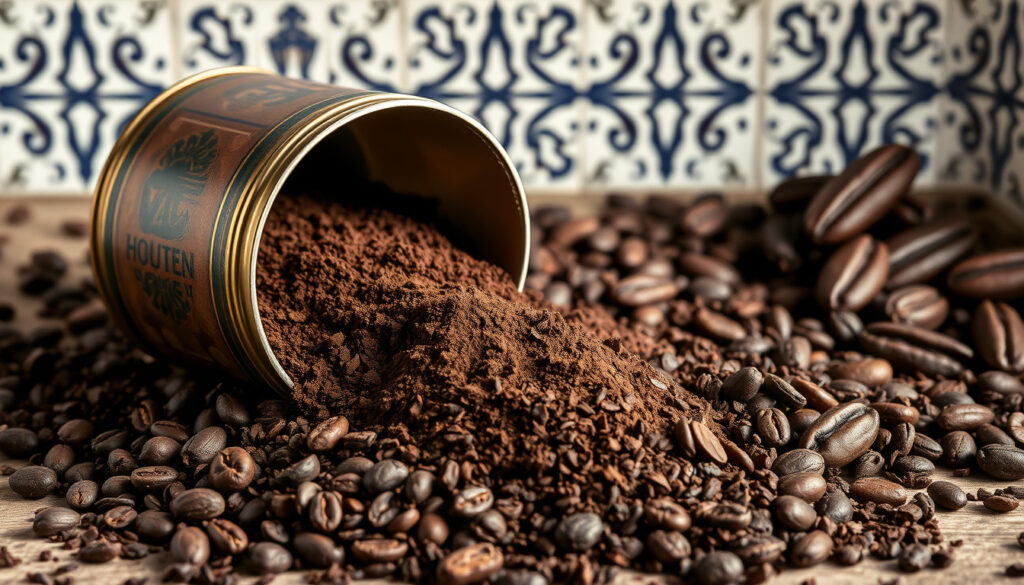
Van Houten Cocoa Powder: Quality, Origin & Dutch Process Guide
Few pantry staples carry a 200-year legacy in the world of chocolate, and Van Houten cocoa powder is one of them. If you’ve ever wondered why some cocoa powders are darker and taste mellower than others, the answer traces back to this Dutch brand—and the alkalized process it helped pioneer. This guide cuts through the marketing to give you a clear picture of where Van Houten stands among today’s top cocoa powders.
Processing Method: Dutch-processed · Pack Size: 8.8 Ounce Box (Pack of 3) · Brand History Since: 1828 · Parent Company: Barry-Callebaut · Available Formats: Powder for baking and drinks
Quick snapshot
- Dutch-processed method (pH 6-8) (The Chocolate Professor)
- Founded 1828 by Coenraad Johannes van Houten (What Sarah Bakes)
- Now owned by Barry-Callebaut (Pastry Wishes)
- Exact current country of production
- Whether it holds a definitive #1 ranking among Dutch-processed cocoas
- 1828: Hydraulic press invention removes 60-90% cocoa butter (What Sarah Bakes)
- 19th century: Dutch processing technique developed (What Sarah Bakes)
- End 19th century: Van Houten becomes synonymous with high-quality cocoa (Pastry Wishes)
- Quality assessments from baking experts
- Head-to-head comparisons with Droste, Hershey’s, and other brands
| Specification | Value |
|---|---|
| Processing | Dutch-processed |
| Origin Country | Netherlands |
| Key Product Size | 8.8 oz box, pack of 3 |
| Brand Since | 1828 |
| Owner | Barry-Callebaut |
Is Van Houten Cocoa High Quality?
Van Houten holds a place among recognized quality cocoa brands, though expert assessments vary on just how it ranks against competitors. The brand appears in best-cocoa roundups, including The Kitchn’s 2025 top 5 list, where it is noted as a Dutch-processed option. One reviewer described Van Houten as “fine” but noted it had little flavor compared to other Dutch-processed brands tested in blind bake-offs. The consensus suggests it performs reliably in baking but doesn’t necessarily outshine pricier alternatives like Droste or artisanal single-origin cocoas.
Expert tests and rankings
In Netherlands-based taste tests, Blooker and Droste were consistently preferred over darker alkalized varieties like Kruger for cookies and cakes (FoodCrumbles). Van Houten occupies a middle position: respectable enough for professional use, yet less distinctive than regional favorites. The Holland American Bakery in Sussex, New Jersey, switched from Droste to Van Houten, suggesting the brand meets commercial bakery standards in the US market.
- Featured in The Kitchn’s 2025 top 5 cocoa powders
- Used by Holland American Bakery (NJ) as a Droste replacement
- Ranked as “fine but unremarkable” in blind cake tests
User reviews from commerce sites
Commerce platform listings describe Van Houten as pure cocoa powder with no additives, suitable for baking and beverages. User reviews generally praise its consistent quality and smooth texture for hot cocoa drinks. Common complaints center on availability—many US shoppers report difficulty finding it in local stores—and the milder flavor profile, which some bakers find too subtle for chocolate-forward recipes.
Bakers seeking bold chocolate flavor may need to combine Van Houten with a more aromatic cocoa or add vanilla to amplify depth. Those prioritizing smooth, mellow results and reliable leavening chemistry will find Van Houten well-suited to their needs.
Is Van Houten Cocoa Powder Natural or Dutch Processed?
Van Houten cocoa powder is Dutch-processed, meaning it has been washed with an alkaline solution—typically potassium or sodium carbonate—to neutralize its natural acidity. This treatment raises the pH from around 5-5.5 (natural cocoa) to 6-8, resulting in darker color and a milder, toasted, nutty flavor profile. The brand offers both dark and mild variants, with the dark variety being more heavily alkalized and the mild offering a gentler chocolate taste.
Definition of Dutch processing
Dutch processing, also called alkalization, was invented in the 19th century specifically to reduce cocoa’s bitter edge and improve its mixability in drinks. The process involves treating cocoa solids with an alkaline agent under controlled heat and pressure, which darkens the powder and alters the Maillard reaction during baking. Dutch-processed cocoa is described as fluffy, highly soluble, and pairs with baking powder rather than baking soda (The Chocolate Professor).
- Natural cocoa: pH 5-6, lighter color, fruity acidic flavors
- Dutch-processed cocoa: pH 6-8, darker reddish-brown to black, earthy mellow taste
- Both types are unsweetened and bitter on their own
Van Houten specifics
Van Houten developed its signature process in the 19th century, with Coenraad Johannes van Houten inventing both the hydraulic press (1828) and the alkalization technique. The brand remains one of the most recognizable names in Dutch-processed cocoa. Available formats include cocoa powder for baking, drink powders, and variants marketed specifically as dark or mild.
Dutch processing smooths flavor and improves texture, but it reduces antioxidant properties, polyphenols, and flavanols compared to natural cocoa. Health-conscious bakers may prefer natural cocoa for its higher polyphenol content, while those prioritizing taste consistency and baking performance will favor Dutch-processed options.
Which Country is Van Houten From?
Van Houten originated in the Netherlands, with its founding tied to Coenraad Johannes van Houten (1801-1887), who developed the Dutch processing technique in the 19th century. The brand’s Dutch heritage is central to its identity—the Netherlands remains synonymous with high-quality cocoa processing globally. Today, Van Houten is owned by Barry-Callebaut, one of the world’s largest chocolate and cocoa products manufacturers, headquartered in Switzerland but with operations across the globe.
Brand origin history
In 1828, Coenraad van Houten invented the hydraulic press to remove 60-90% of cocoa butter from cocoa liquor, creating the first cocoa powder. He later developed the alkalization (Dutch) process to further reduce bitterness and improve mixability. By the end of the 19th century, the Van Houten name had become synonymous with premium cocoa powder across Europe and beyond (Pastry Wishes).
Current production
While the brand maintains its Dutch identity, specific production country details are not consistently disclosed on product packaging or brand websites. Barry-Callebaut operates manufacturing facilities in multiple countries, and Van Houten products are distributed internationally. This multinational production structure means the cocoa powder in your box may originate from different regions depending on where it was packaged for sale.
Is Van Houten Cocoa Powder Pure?
Standard Van Houten cocoa powder listings on commerce sites describe the product as pure cocoa powder with no additives. The ingredient lists for typical retail packaging show only cocoa powder (sometimes specifying “processed with alkali” or “Dutch cocoa”). There are no added sugars, flavorings, or fillers in the core product. Some specialty variants, such as drink mixes or pre-sweetened cocoa powders, do include additional ingredients like sugar or milk powder—but the plain baking cocoa is straightforward and pure.
Ingredients check
Reviewing product listings and packaging information reveals that Van Houten cocoa powder for baking consists of cocoa processed with alkali. The Dutch-processed variant typically lists only “cocoa powder” with no other ingredients. This aligns with the brand’s positioning as a professional-quality baking ingredient. Drink powder variants differ, so buyers should check labels for sweetened versus unsweetened options.
Purity standards
Dutch-processed cocoa like Van Houten may have reduced antioxidant levels compared to natural cocoa due to the alkalization process, but this does not affect purity in terms of additives. Both Dutch and natural cocoa powders are unsweetened and bitter when tasted alone. The terminology for labeling these products varies worldwide—natural cocoa is sometimes labeled “unsweetened” or “baking cocoa,” which can cause confusion at the store (FoodCrumbles).
Which is Better, Dutch or Natural Cocoa Powder?
The answer depends entirely on what you’re baking and what flavor profile you prefer. Dutch-processed cocoa produces darker color, milder toasted flavors, and fudgier baked goods because its neutral pH doesn’t react aggressively with leavening agents. Natural cocoa delivers brighter acidity, more complex fruity flavors, and typically higher antioxidant content—but it can yield drier, more crumbly textures in certain recipes.
Key differences explained
Dutch-processed cocoa ranges from reddish-brown to nearly black, with pH 7-8 and an earthy, mellow taste. Natural cocoa is light-colored with pH around 5-5.5 and fruity acidic notes. The pH difference affects leavening chemistry: natural cocoa pairs with baking soda (which requires acidity to activate), while Dutch-processed cocoa pairs with baking powder (which is self-activating). Dutch processing also reduces flavor complexity by smoothing out the acidic notes that give natural cocoa its character (The Chocolate Professor).
| Property | Dutch-Processed | Natural |
|---|---|---|
| pH Range | 6-8 (neutral to alkaline) | 5-6 (acidic) |
| Color | Dark reddish-brown to black | Light brown |
| Flavor | Mild, toasted, nutty | Fruity, acidic, complex |
| Baking leavening | Baking powder | Baking soda |
| Baked texture | Fudgy, moist | Drier, lighter |
| Antioxidants | Reduced | Higher |
The implication: Dutch-processed cocoas suit recipes where smooth texture and even coloring matter, while natural cocoa works better when you want pronounced chocolate flavor and a lighter crumb.
Best use cases
Dutch-processed cocoa excels in recipes where smooth texture and even coloring matter—think brownies, truffles, frostings, and desserts where appearance counts. Natural cocoa shines in recipes that benefit from its acidity and flavor depth, such as cakes where you want a pronounced chocolate hit, or cookies where a lighter, crumblier texture is desired. In recipes without leavening, either type can substitute for the other with minimal impact.
If your recipe calls for baking soda and you only have Dutch-processed cocoa on hand, add a splash of lemon juice or cream of tartar to restore acidity—otherwise your leavening will fall flat.
Upsides
- Smooth, mellow flavor appeals to broad audiences
- Consistent leavening chemistry with baking powder
- Produces fudgy, moist baked goods
- Highly soluble—dissolves easily in drinks
- 200-year brand heritage and reputation
- Available in dark and mild variants
Downsides
- Reduced antioxidant content versus natural cocoa
- Milder flavor may disappoint chocolate purists
- Limited availability in US retail stores
- Packaging and labeling inconsistencies worldwide
- Less flavor complexity than premium single-origin options
- Can taste “burnt” if over-alkalized (as in some blind tests with other brands)
Medrich (Expert)
“Dutch-processed cocoa powder may go all the way to almost charcoal in color. Black cocoa is Dutch process cocoa taken to the extreme, such as an Oreo cookie and, to me, it tastes like no chocolate, at all.”
FoodCrumbles (Food science blogger)
“We absolutely did not like how Kruger tasted in cookies and cakes and liked both others.”
Confessions of a Cake Snob (Baking reviewer)
“That cake was so bitter I swear the cocoa was burnt.”
Related reading: Tous les Jours Singapore: Outlets, Menu, Reviews 2025 · Dona Manis Cake Shop Reviews – Customer Ratings, Menu, Prices
Frequently asked questions
What are the ingredients in Van Houten cocoa powder?
The plain baking cocoa powder lists only cocoa processed with alkali. Drink powder variants may include sugar and milk powder—check the specific product label.
Where can I buy Van Houten cocoa powder?
Van Houten cocoa is available through major online retailers and some international grocery stores. US shoppers may need to order online due to limited retail availability in domestic stores.
What is the price of Van Houten cocoa powder?
Pricing varies by retailer and format. The 8.8-ounce box (pack of 3) is a common multi-pack format. Check current prices on Amazon, Walmart, or specialty food retailers for the most accurate figures.
Is Van Houten cocoa powder good for baking?
Yes. Dutch-processed cocoa produces consistent leavening chemistry with baking powder and creates fudgy, moist textures in brownies, cakes, and cookies. Its mellow flavor works well in most baking applications.
What do reviews say about Van Houten cocoa powder?
Reviews praise its smooth texture, reliable quality, and suitability for hot cocoa drinks. Common criticisms include mild flavor intensity and difficulty finding it in US retail stores.
Does Van Houten make dark cocoa powder?
Yes. Van Houten offers both dark and mild variants. The dark variety is more heavily alkalized, producing deeper color and richer taste; the mild version offers gentler chocolate flavor.
Can Van Houten cocoa powder be used in drinks?
Yes. Van Houten produces drink powder formats specifically designed for hot cocoa and chocolate beverages. The baking cocoa powder can also be mixed into drinks, though sweetened drink mixes are available for ready-to-use convenience.
More related posts
 Part Time Weekend Jobs in Singapore: 1,911 Openings
 How to Edit PDF File – Free Methods That Work
 Change of Address Singapore: Step-by-Step ICA Guide (2025)
 Blue Jays vs Mariners: Complete 2026 Season Series Analysis & Key Questions
 Singapore to Jeju Flight Time: Duration & Direct Flights
 Lao Wei Dao Sha Guo Bao: Menu, Outlets, Reviews Singapore
 Certis Cisco Security Pte Ltd: Singapore Company Overview
 International Kindergarten Schools in Singapore: Fees & Top Picks
