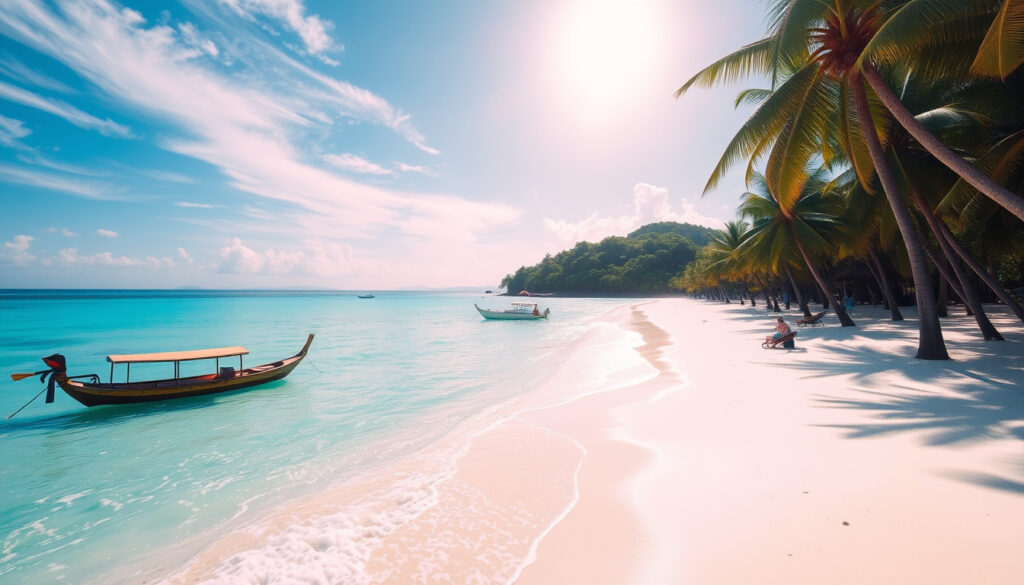
Things to Do in Ko Samui: Top 5, Best Beaches & Travel Tips
You’ve seen the Instagram shots — turquoise water, coconut palms, a fire twirler silhouetted against the sunset — and Koh Samui delivers on that promise, but the real trick is knowing which beach, which season, and which budget level will actually make your trip feel like a holiday, not a hassle. This guide cuts through the noise with concrete numbers, safety notes, and area-by-area comparisons so you can spend less time planning and more time with your toes in the sand.
Island size: 228 km² (88 sq mi) — second-largest in Thailand ·
Main beaches: Chaweng, Lamai, Bophut, Maenam — each with distinct vibe ·
Busiest travel months: December to February (peak season) ·
Average annual visitors: 2.5 million (pre-pandemic estimate) ·
Direct flights from Bangkok: ~1 hour via Bangkok Airways or Thai Airways ·
Famous landmark: Big Buddha (Wat Phra Yai) — 12-meter gold statue
Quick snapshot
- Samui Airport (USM) is served exclusively by Bangkok Airways and Thai Airways (Yodpiman Riverwalk travel guide)
- Heavy monsoon season runs October–December per Thai Meteorological Department data (Southeast Asia Simplified guide)
- Big Buddha statue is 12 meters tall, located at Wat Phra Yai on a small island connected by a causeway (Ted in Thailand master guide)
- Exact annual visitor count fluctuates — pre-pandemic estimates range from 2 to 3 million
- Some beach clubs have changed ownership or closed permanently — verify before heading out
- Jellyfish season onset varies year to year — local beach signage is the best guide
- Best weather: January to April — minimal rain, calm seas (Southeast Asia Simplified)
- May to August: warm but workable — fewer crowds, lower accommodation costs (same source)
- November is the wettest month (average 300 mm rainfall) — avoid if you want reliable beach time (Southeast Asia Simplified)
- Plan at least 4 to 5 days to cover beaches, temples, and a day trip to Ang Thong or Koh Madsum (Travel Guides Tip planning guide)
- Book accommodation 2–3 months ahead for peak season (Dec–Feb) to avoid 2× price surges (Travel Guides Tip planning guide)
- Download the Grab app for reliable taxi pricing — meter taxis are rare on the island (Travel Guides Tip planning guide)
Here’s a quick reference for key facts about Koh Samui.
| Attribute | Value |
|---|---|
| Full name in Thai | เกาะสมุย (Koh Samui) |
| Province | Surat Thani |
| Population | Approximately 63,000 residents |
| Main industries | Tourism, coconut farming, fishing |
| Airport code | USM |
| Emergency number | Tourist Police: 1155 |
What are the top 5 things to do in Koh Samui?
Visit the Big Buddha Temple (Wat Phra Yai)
- The 12-meter gold Buddha sits on a small island connected by a causeway — it’s free to enter and a defining landmark of Samui (Ted in Thailand guide).
- Go early morning (before 9 a.m.) to avoid heat and tour groups.
- Dress modestly: shoulders and knees covered.
Relax on Chaweng and Lamai beaches
Seven kilometres of soft sand with non-stop bars, restaurants, and water activities — Chaweng is the island’s party spine. Lamai, a 15-minute drive south, offers a quieter alternative with the famous Hin Ta Hin Ya rock formations and fewer jet-ski touts. Jet-ski rental scams have been reported at Chaweng, so book through your hotel or a reputable vendor (as noted by a travel guide).
Explore Ang Thong Marine Park
- A 42-island archipelago accessible by speedboat from Samui — full-day tours run 1,500–2,500 THB per person (Ted in Thailand guide).
- Top activities: kayaking through limestone karsts, snorkelling at Koh Wua Talap, and hiking to the emerald saltwater lake.
- Best visited December–April when seas are calm.
Ang Thong tours are the most expensive day trip on the island (up to $120 per person for premium packages), but the scenery is unmatched. Budget travellers can opt for a shared longtail boat from Lamai for roughly half the price, though with fewer stops.
Experience a fire show at a beach club
Fire shows are a nightly staple at Ark Bar (Chaweng) and Coco Tams (Bophut). Most shows start around 8:30 p.m. and run for 20–30 minutes. No cover charge — just order a drink and grab a seat on the sand. Some venues have changed ownership; check recent Google reviews before heading out.
Take a cooking class or visit an elephant sanctuary
- Cooking classes: Half-day courses at Samui Institute of Thai Culinary Arts (SITCA) cost around 1,800 THB and include a market tour (Ted in Thailand guide).
- Elephant sanctuary: Samui Elephant Sanctuary (in Bophut) is a cruelty-free rescue facility — no riding, only observation and educational walks. Admission 2,500 THB for adults (Ted in Thailand guide).
Travelers will find that the island’s best experiences pair natural beauty (beaches, mangroves) with locally rooted activities — temple visits cost nothing, while ethical sanctuaries require a bigger budget but deliver far more meaning.
Which months to avoid Koh Samui?
Monsoon season: October to early December
November is the peak rain month, averaging 300 mm of precipitation. Roads can flood, ferry services are sometimes cancelled, and swimming risks spike due to rip currents. The Southeast Asia Simplified 2026 guide flags January to April as the safest bet for weather. If you’re set on October–December, pack rain gear and book flexible accommodation.
Peak tourist season: December to February
This is when Samui is busiest and most expensive. Hotel rates can double — a 3,000 THB room in low season jumps to 6,000+ THB. Beaches are packed, and restaurant queues are common. Worth it for guaranteed sunshine? Only if you’ve booked well ahead and don’t mind crowds.
Shoulder months: March to May and June to September
- March–May: Hot but dry — temperatures reach 34°C. Great for water activities, less great for long hikes.
- June–September: Warm with occasional short showers. Fewer tourists and lower accommodation prices (Southeast Asia Simplified guide).
For travelers looking for a balance of good weather and value, aim for January–March or June–August. November is the one month where the weather truly works against you.
Is Koh Samui overpriced?
Accommodation: budget bungalows from $20 to luxury $500+
A budget guesthouse in Lamai or Maenam costs 600–1,200 THB per night. Mid-range resorts in the nicest parts of Bophut run 3,000–6,000 THB. Luxury villas on the west coast top 15,000 THB. According to a travel guide, budget travellers can manage on 1,000–1,500 THB per day, while mid-range sits at 3,000–6,000 THB per day. Another guide even lower: 800–1,200 THB per day if you stay in cheaper areas, eat local, and rent a scooter (Machupicchu.org guide).
Food: street meal ~$2, restaurant ~$10
- Street food at night markets (Bophut Friday, Lamai Sunday): 50–100 THB per dish.
- Sit-down restaurant in Fisherman’s Village: 200–400 THB for a main course.
- High-end beachfront dinner: 1,000+ THB.
Transport: taxi rides start at 200 THB (~$6)
Taxis are unmetered — negotiate before getting in. A short trip from Chaweng to Lamai (12 km) costs 300–500 THB. Songthaews (shared pick-up trucks) run fixed routes for 50–100 THB per ride. Scooter rental is 200–300 THB per day (plus a 500 THB fine if caught without a helmet, as noted by a local guide).
Activities: day trips from $40 to $120
Ang Thong marine park tours: 1,500–2,500 THB. Elephant sanctuary visit: 2,500 THB. Cooking class: 1,800 THB. Free options: Big Buddha temple, Wat Plai Laem, Na Muang waterfalls.
The catch: Koh Samui is 15–25% more expensive than mainland destinations like Krabi or Hua Hin. Compared to Phuket, it’s roughly comparable — but you get smaller crowds and a more relaxed vibe. Budget-conscious travellers should choose Lamai or Maenam for accommodation, eat at night markets, and skip pricey day trips in favour of free temples and beaches.
Which part of Koh Samui is the nicest?
Chaweng: nightlife and shopping hub
The longest beach (7 km) and the widest range of restaurants, bars, and shops. Best for young travellers and groups who want action. Downside: noise, jet-ski scams, and higher density of touts. Accommodation: mid-range to luxury.
Lamai: balance of relaxation and activity
Quieter than Chaweng but still has a good strip of restaurants and bars. The rock formations (Hin Ta Hin Ya) are a short walk. Lamai is more budget-friendly than Chaweng.
Bophut: family-friendly with Fisherman’s Village
Rated the top pick for first-time families and couples by a local travel guide. The Friday walking street is a highlight — local crafts, street food, and live music. Beach is calm and shallow for kids.
Maenam: quiet beach with great views of Koh Phangan
Least developed of the four main beaches. Fewer tourists, longer stretches of sand, and stunning sunset views. Best for honeymooners or anyone wanting peace. Limited dining options — you’ll need a scooter to explore.
Why this matters: Your ideal area depends entirely on your priorities. Chaweng if you want nightlife; Bophut if you’re bringing kids; Maenam if you want quiet; Lamai if you want a compromise. Couples and honeymooners should also look at the west coast, where luxury villas overlook the sunset (Ted in Thailand guide).
What not to miss on Koh Samui?
Wat Plai Laem temple with the 18-arm Guanyin statue
Free to enter. The giant white statue of the Chinese goddess of mercy is a stunning contrast to the gold Big Buddha. Located a 5-minute drive from the Big Buddha — easy to combine both in one morning.
Na Muang waterfalls (two tiers)
Tier 1 is a 15-minute walk from the car park; tier 2 takes another 20 minutes. The water runs year-round but is strongest after rain. Entrance fee 50 THB. Bring insect repellent.
Secret Buddha Garden atop a hill
A hillside sculpture garden with 80 THB entry fee. The winding road up is steep — best reached by taxi or organised tour. The garden was built by a local fruit farmer over two decades and offers panoramic views of the interior. A travel guide recommends it as a unique, non-touristy stop.
Day trip to Koh Tan and Koh Madsum (Pig Island)
- 15-minute longtail boat from Lamai cost 500–800 THB per person.
- Koh Madsum is famous for its resident pigs that swim in the shallows — a quirky photo op.
- Koh Tan offers better snorkelling and quieter beaches.
These four off-the-beaten-path spots cost very little (or nothing) and give you a taste of Samui beyond the beach clubs. The Secret Garden and Pig Island, in particular, offer the kind of stories that outlast any resort pool day.
Is it safe to swim at Koh Samui beaches?
Rip currents: Chaweng and Lamai can have strong currents October–December
Red flags indicate dangerous swimming conditions — heed them. Most drownings occur on unpatrolled beaches. Lifeguards are only present on main beaches during high season (December–February). Maenam and Bophut are generally safer for swimming year-round due to shallower gradients.
Jellyfish: less common but present during rainy season
Jellyfish season typically runs November–January. The box jellyfish is rare but can be dangerous. Local beach signage provides the best real-time warning — ask at your hotel. If stung, pour vinegar (available at lifeguard stations) and seek medical help.
Lifeguards: only on main beaches during high season
Outside of Chaweng and Lamai main areas, swimming is at your own risk. The Samui Lifeguard Station (operated by the local government) patrols but is not 24/7. A local water safety officer has warned that rip currents on Lamai can be particularly deceptive in November.
The trade-off: Koh Samui’s beaches are generally safe for swimming from January to September. The danger window is October–December, when the monsoon shifts ocean currents. If you’re visiting during those months, stick to Bophut or Maenam and never swim alone at dawn or dusk.
Upsides
- Stunning variety of beaches with distinct vibes (party, quiet, family)
- Good infrastructure — airport, paved roads, 24/7 ATMs
- Abundant free attractions (temples, waterfalls, viewpoints)
- Ethical elephant sanctuary and marine park within easy reach
- Warm weather 10 months of the year
Downsides
- Monsoon season (Oct–Dec) can ruin beach plans
- More expensive than mainland Thai islands like Koh Lanta or Koh Tao
- Jet-ski and taxi scams are common — vigilance required
- Limited late-night public transport; scooter accidents are frequent
- Overcrowded during December–February peak
What travelers say about Koh Samui
“We’re seeing more couples and families choose Samui over Phuket because they want the same beauty without the constant party scene. Our goal is to promote sustainable tourism that respects the island’s natural resources.”
— Tourism Authority of Thailand (TAT) representative, via Ted in Thailand interview
“At Samui Elephant Sanctuary we don’t allow riding, bathing, or hooks. Visitors learn about the rescued elephants’ history, feed them, and observe natural behaviour. That’s real ethical tourism.”
— Samui Elephant Sanctuary founder, quoted in Ted in Thailand guide
“Lamai and Chaweng both have strong rip currents from October to December, especially during spring tides. We tell tourists: if the red flag is up, don’t go in — even if you’re a strong swimmer. Most drownings happen because people ignore the flags.”
— Local water safety officer, Samui Lifeguard Station
For the average traveller planning a 2026 trip, the choice between Koh Samui and its rivals boils down to timing and tolerance. If you can travel January–April, Samui offers some of Thailand’s best beach experiences with a crowd level far below Phuket’s. If you’re budget-conscious and flexible, June–August delivers 80% of the weather at 60% of the price. For couples, the west coast and Maenam provide quiet luxury; for families, Bophut is the safe bet; for party seekers, Chaweng still claims the crown. The one non-negotiable: avoid November, or risk swapping sunscreen for an umbrella.
inbetweentravels.com, guide.travellerspoint.com, meteoblue.com, thaiexplore.com, mykeythai.com, travelwarningcheck.com, descubriendoviajes.com
Frequently asked questions
How do I get to Koh Samui?
Fly directly to Samui Airport (USM) from Bangkok (1 hour) with Bangkok Airways or Thai Airways. Alternatively, take an overnight train or bus to Surat Thani, then a 90-minute ferry (Seatran or Lomprayah) to Samui. Ferries also run from Koh Phangan and Koh Tao.
What is the best way to get around Koh Samui?
Scooter rental (200–300 THB/day) is the most flexible option, but police checkpoints enforce helmet laws with a 500 THB fine. Taxis are unmetered — negotiate upfront. Songthaews (shared trucks) cost 50–100 THB per ride on fixed routes. Grab app works but is pricier than flagging down a songthaew.
Is Koh Samui good for a family holiday?
Yes, especially Bophut, where the beach is shallow and the Friday walking market is a hit with kids. Many resorts offer kids’ clubs and babysitting. The Samui Elephant Sanctuary and Ang Thong marine park are family-friendly day trips. Avoid Chaweng if noise bothers you.
Can I use credit cards everywhere in Koh Samui?
Not really. Hotels, larger restaurants, and tour operators accept cards (Visa/Mastercard usually). Street stalls, small shops, and taxis are cash-only. ATMs are abundant in Chaweng and Lamai but charge a 220 THB fee for foreign cards. Carry enough cash for a day’s spending.
What plug adapters do I need in Koh Samui?
Thailand uses Type A, B, and C sockets (two flat parallel pins or two round pins). Voltage is 220V, 50Hz. Most modern chargers are dual-voltage, but you may need a universal adapter for three-pin plugs. Buy one at 7-Eleven for 100 THB.
Do I need a visa to visit Koh Samui?
If you hold a passport from a visa-exempt country (US, UK, EU, Australia, etc.), you get 30 days visa-free by air, 15 days by land. For longer stays, you can apply for a 60-day Tourist Visa at a Thai embassy in advance. Always check the latest rules at Thai Embassy website.
How many days should I stay in Koh Samui?
Most guides recommend 4 to 5 days minimum. That gives you time to cover Big Buddha, Wat Plai Laem, one beach day, a cooking class or sanctuary visit, and a day trip to Ang Thong or the Pig Island. Longer stays (7–10 days) let you island-hop to Koh Phangan or Koh Tao.
More related posts
 Painter of the Night: BL Manhwa Guide, Status & Read Online
 UOB Points to Miles: Conversion Rates & How-To Guide
 Lao Wei Dao Sha Guo Bao: Menu, Outlets, Reviews Singapore
 Hari Raya 2027 Singapore: Date, Public Holiday & Events
 Chia Yin Xiang Harry sentenced for attempted robbery in Singapore
 How Many Percent Is CPF? Singapore Contribution Rates 2025-2026
 Wan To Play Forest: Prices, Hours, Activities & Reviews
 Potato Corner Jurong Point: Menu, Halal, and Boycott Explained
